



MOZAMBIQUE: ENH signs agreement with EDM, CFM and HCB for Gas Supply to the Domestic Market.
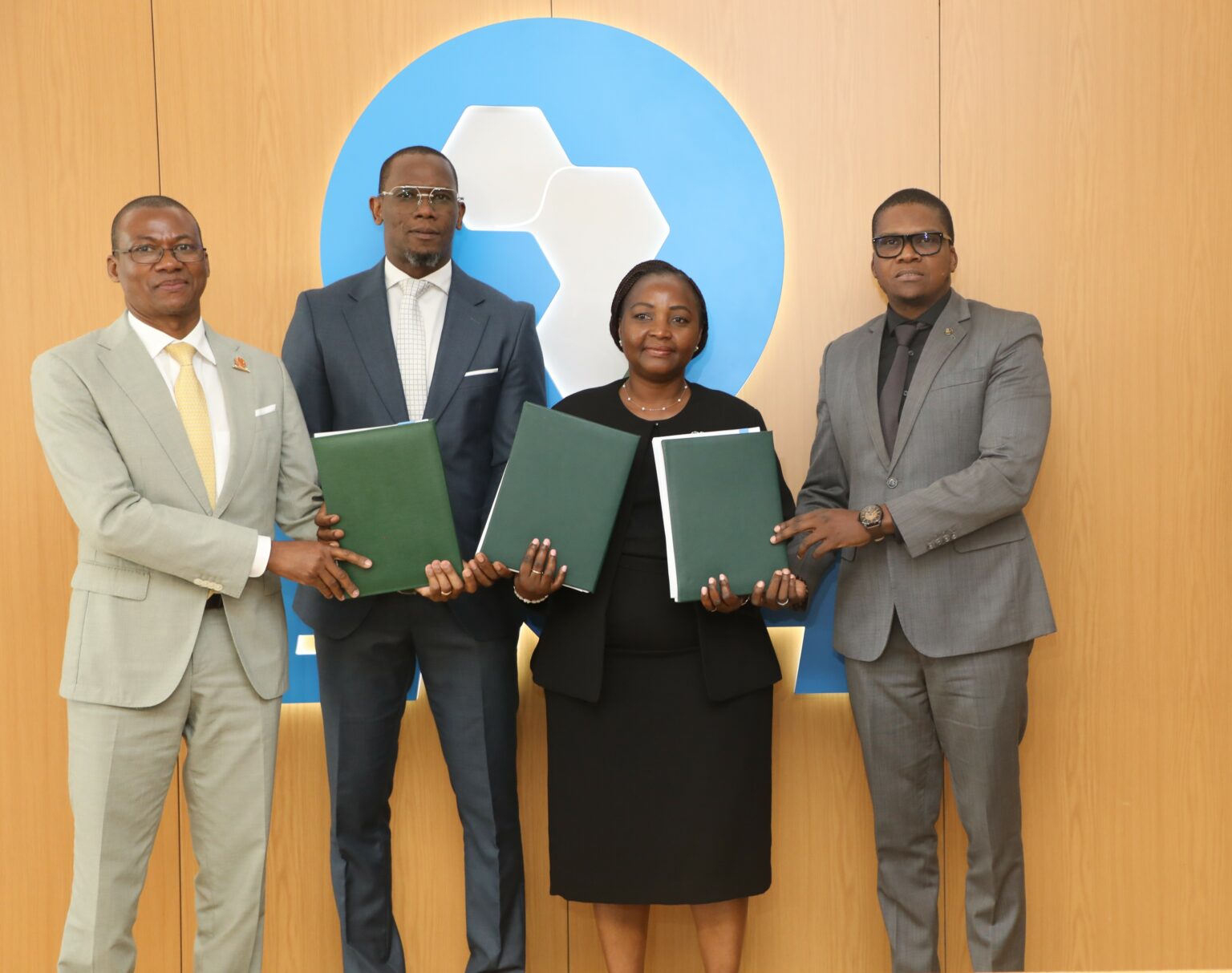
The National Hydrocarbons Company (ENH) signed a Shareholders’ Agreement with Electricidade de Moçambique (EDM), Portos e Caminhos de Ferro de Moçambique (CFM), and Hidroeléctrica de Cahora Bassa (HCB) for the establishment of the company Serviços de Logística Integrada de Gás Natural de Moçambique, SA (SLIGM) and the Joint Development Agreement (JDA).
These are two instruments that establish the basis for the development, financing, and installation of a Floating Storage and Regasification Unit (FSRU) for Liquefied Natural Gas (LNG) , which will be anchored innorthern Inhambane and have connected infrastructure in the Port of Beira, thus enabling the transport and increased supply of gas to the domestic and regional market.
The four state-owned companies are thus combining their technical, financial and operational capabilities to ensure the project’s viability and guarantee its long-term impact, with the exclusive right to finance, build, import and operate the LNG terminal.
In addition to diversifying energy sources, the project is expected to significantly reduce dependence on imports, promoting the monetization of domestic gas from projects in the Rovuma Basin, as well as from other sedimentary basins distributed throughout the national territory.
It is also important to mention that the creation of this company stems from the approval, in November 2025, by the Council of Ministers, of the decree that grants the concession for the construction and operation of infrastructure aimed at receiving, storing, regasifying and transporting natural gas in the Port of Beira and in Inhassoro.
For shareholders, the formation of the company demonstrates the capacity and commitment of national institutions to join forces around a structuring project, with an impact on strengthening security and diversifying the energy matrix. On the other hand, it is expected that the exploitation of natural resources, abundant in the national territory, will have a multiplier effect on the economy, translating into an improvement in the quality of life of Mozambicans.the National Hydrocarbons Company (ENH) signed a Shareholders’ Agreement with Electricidade de Moçambique (EDM), Portos e Caminhos de Ferro de Moçambique (CFM), and Hidroeléctrica de Cahora Bassa (HCB) for the establishment of the company Serviços de Logística Integrada de Gás Natural de Moçambique, SA (SLIGM) and the Joint Development Agreement (JDA).
These are two instruments that establish the basis for the development, financing, and installation of a Floating Storage and Regasification Unit (FSRU) for Liquefied Natural Gas (LNG) , which will be anchored innorthern Inhambane and have connected infrastructure in the Port of Beira, thus enabling the transport and increased supply of gas to the domestic and regional market.
The four state-owned companies are thus combining their technical, financial and operational capabilities to ensure the project’s viability and guarantee its long-term impact, with the exclusive right to finance, build, import and operate the LNG terminal.
In addition to diversifying energy sources, the project is expected to significantly reduce dependence on imports, promoting the monetization of domestic gas from projects in the Rovuma Basin, as well as from other sedimentary basins distributed throughout the national territory.
It is also important to mention that the creation of this company stems from the approval, in November 2025, by the Council of Ministers, of the decree that grants the concession for the construction and operation of infrastructure aimed at receiving, storing, regasifying and transporting natural gas in the Port of Beira and in Inhassoro.
For shareholders, the formation of the company demonstrates the capacity and commitment of national institutions to join forces around a structuring project, with an impact on strengthening security and diversifying the energy matrix. On the other hand, it is expected that the exploitation of natural resources, abundant in the national territory, will have a multiplier effect on the economy, translating into an improvement in the quality of life of Mozambicans.
