





BP Faces Landmark Environmental Lawsuit in Northern Kenya
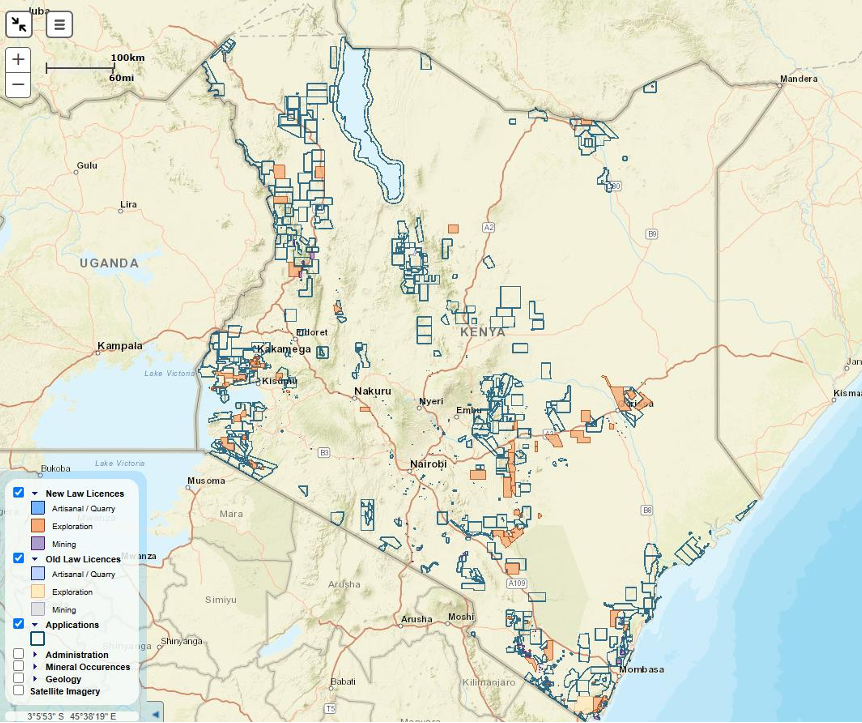
A potentially precedent-setting environmental case is unfolding in northern Kenya, where a court in Isiolo has cleared the way for a class action lawsuit against oil giant BP. The case, brought by 299 residents from Marsabit and Isiolo counties, could shine a harsh spotlight on decades-old oil exploration activities and their long-term environmental consequences.
In a ruling delivered on April 16, the Environment and Land Court certified the case as urgent and allowed the petitioners to serve the multinational company outside Kenya’s jurisdiction. This marks a significant step forward in what could become one of the country’s most consequential environmental justice battles.
Find out more about Kenya upstream sector by downloadding this OUTLOOK
The lawsuit traces back to the 1980s when Amoco Corporation, later acquired by BP, conducted exploratory drilling in remote locations including Kargi and Kalacha, near the Chalbi Desert. While the exploration did not yield commercially viable oil, residents now allege that it left behind a toxic legacy.
According to court filings, hazardous waste generated during drilling was either dumped in unlined pits or abandoned on-site. Over time, these substances are believed to have seeped into groundwater systems, critical sources of water for local communities, leading to widespread contamination.
Residents claim that exposure to polluted water has resulted in serious health issues, including chronic illnesses and unexplained deaths, alongside environmental degradation affecting livestock and livelihoods.
Central to the petition is a demand for a comprehensive environmental and health assessment. The plaintiffs are calling for detailed multimedia and toxicological studies across key exploration sites, including Sirius-1, Bellatrix-1, and Chalbi-3, to establish the extent of contamination and its impacts.
The case also reportedly implicates the Kenyan government, with residents arguing that regulatory oversight at the time was insufficient to prevent or address environmental harm.
This lawsuit could set a powerful precedent for holding multinational corporations accountable for historical environmental damage in Africa. It also underscores growing scrutiny around legacy oil exploration practices, particularly in regions where regulatory frameworks were less robust decades ago.
If the claims are substantiated, BP could face significant legal, financial, and reputational consequences, while affected communities may finally gain long-awaited recognition and redress.
As proceedings begin, the case will be closely watched, not just in Kenya, but across the continent, as communities increasingly seek justice for environmental harm linked to extractive industries.
