

KENYA: Gulf Energy Starts Drilling in South Lokichar, First Oil Expected in December 2026
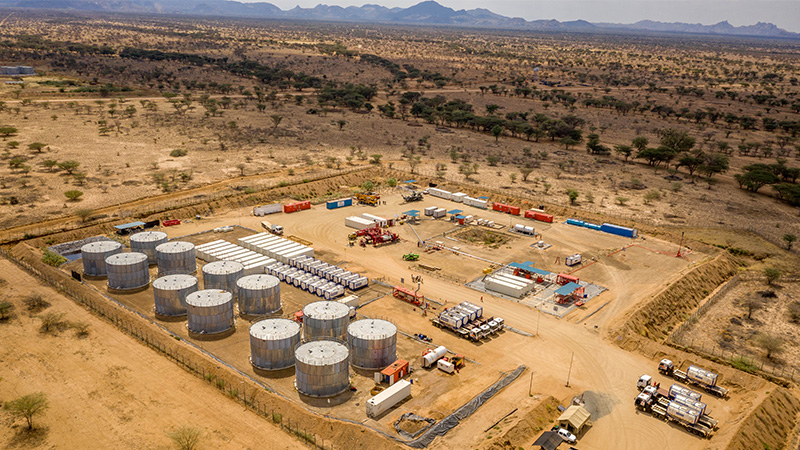
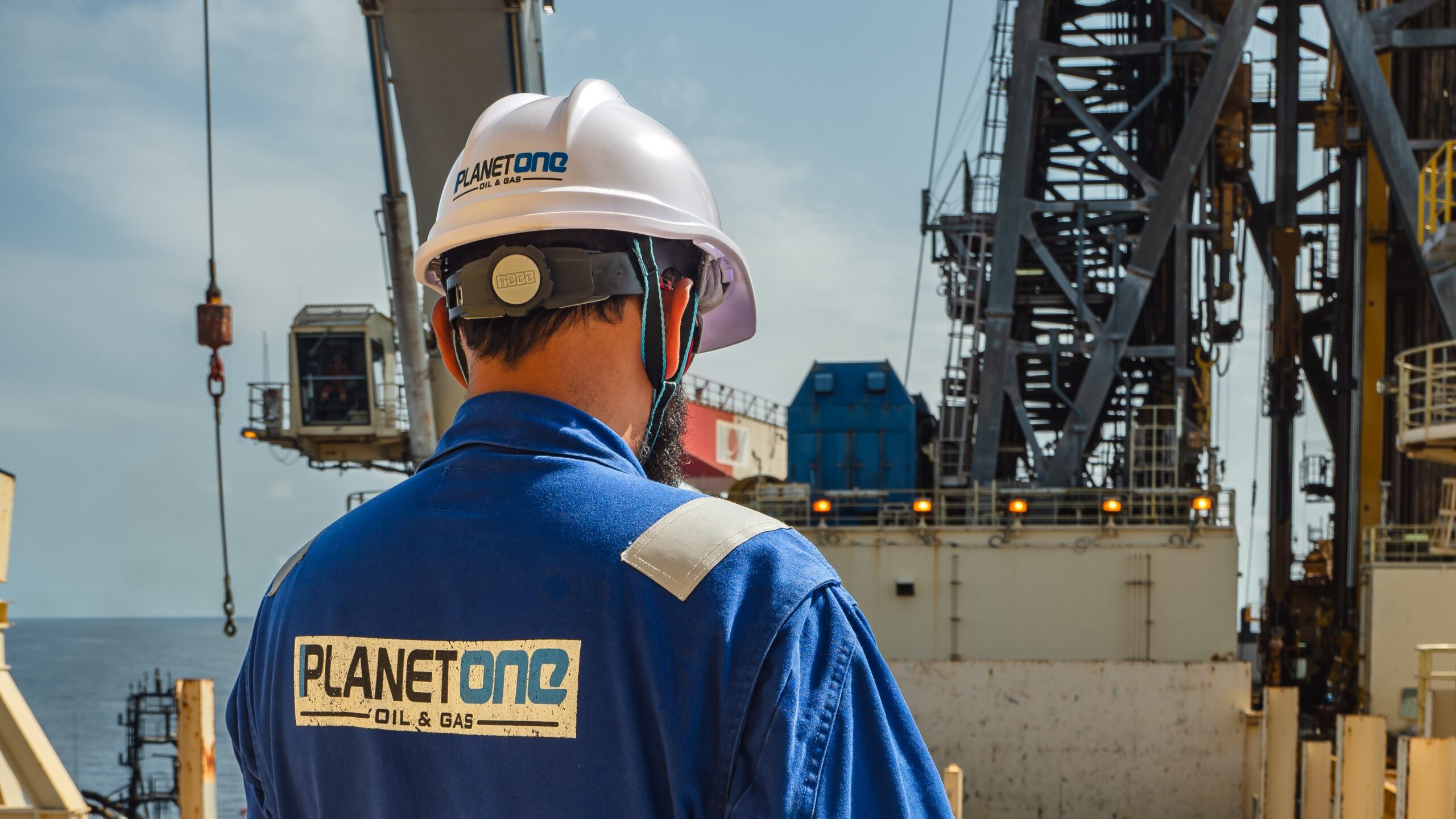
Gulf Energy has launched drilling operations at Amosing 1 in Kenya’s South Lokichar Basin, moving the country closer to its goal of starting initial crude oil production in December 2026. Following more than a decade of exploration and project planning, contractor Gulf Energy E&P BV SEZ is working to meet its December production schedule and prepare for planned crude exports in 2027.
Phased Production Targets in South Lokichar
Reaching steady output depends on completing surface facilities, logistics corridors, and reservoir performance across the South Lokichar fields:
- Phase 1 focus: Initial development centers on key fields including Ngamia and Amosing (alongside Twiga and Ekales under the wider development plan), targeting roughly 20,000 barrels per day.
- Phase 2 expansion: A subsequent phase aims to scale output up to 50,000 barrels per day, contingent on extra capital investment, follow-on drilling, infrastructure buildout, and sustained well performance.
- Key operational milestones: Gulf Energy must deliver crude on its December 2026 schedule, link extraction with storage and transport logistics, and keep the 2027 export timeline on track.
Addressing how improved transport networks enable field operations and broader regional growth, Roads and Transport Cabinet Secretary Davis Chirchir noted that the upgraded road corridors will bolster connectivity and support ongoing oil exploration and extraction, emphasizing the ministry’s goal of pairing physical infrastructure with wider economic transformation.
Crude reserves were first confirmed in Turkana’s South Lokichar Basin back in 2012, though moving to full commercial recovery took longer than projected due to capital constraints, evolving project blueprints, and transport bottlenecks. Under the updated phased approach supervised by the State Department for Petroleum alongside the Energy and Petroleum Regulatory Authority (EPRA), Gulf Energy is prioritizing near-term revenue by moving initial output via road and rail—supported by more than KSh 24 billion in state road funding—prior to constructing permanent export lines.
