






KENYA: Turkana Oil Field Development Plan Sparks Public Debate
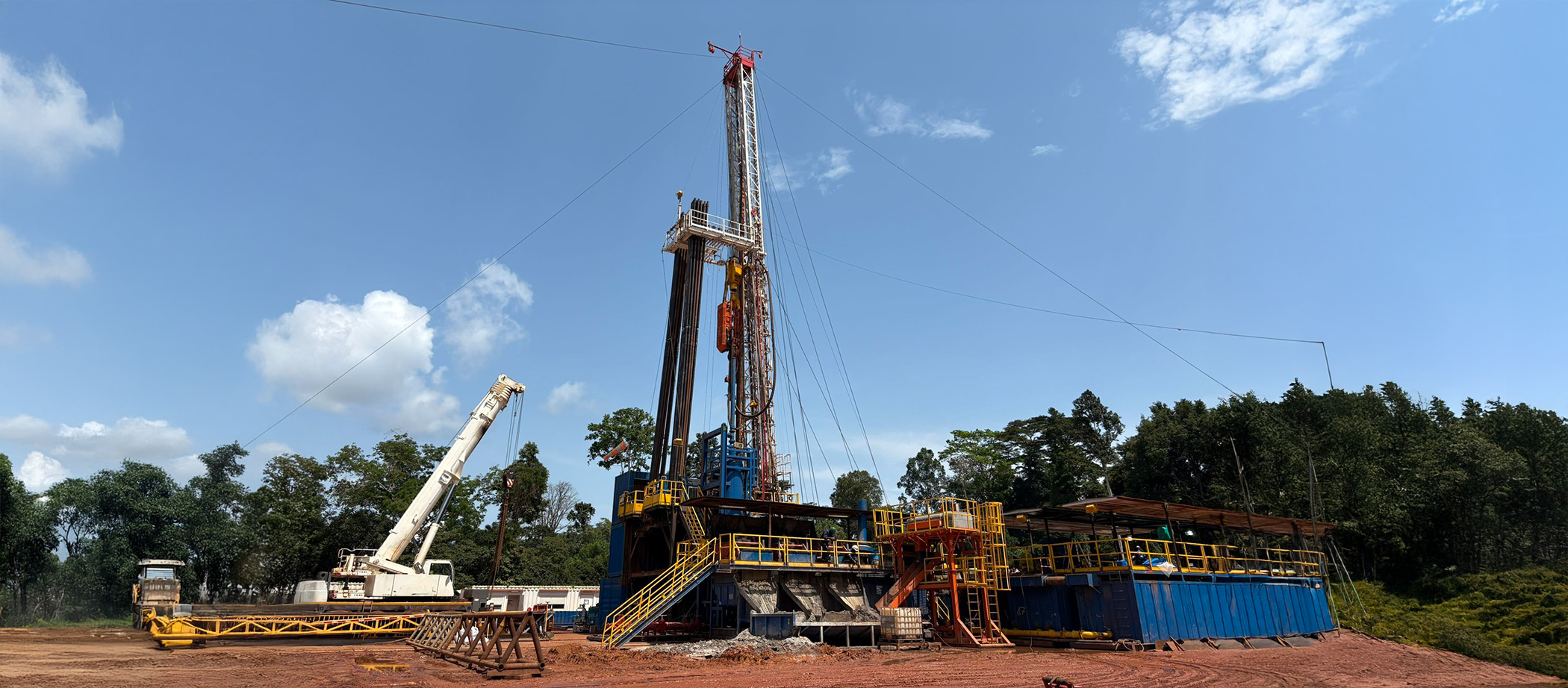
Kenya’s long-awaited transition from oil exploration to commercial production in the South Lokichar Basin has entered a new and contentious phase as the Senate invites public submissions on the proposed Field Development Plan (FDP) and associated Production Sharing Contracts (PSCs) for oil Blocks T6 and T7 in Turkana County. This marks a significant step in the effort to unlock the commercial potential of Kenya’s indigenous oil resources but has also triggered public debate over governance, transparency, and national benefit.
The Field Development Plan outlines how Gulf Energy E&P B.V. under various ownership changes intends to develop six commercial oil discoveries within the basin and produce crude for domestic use and export. The approved plan targets phased production with first oil expected by December 2026 and eventual output levels that could reach tens of thousands of barrels per day, backed by a projected investment of approximately USD 6.1 billion over the contract’s lifespan.
From the government’s vantage point, the approval of the FDP and revised contract terms signals renewed momentum for an oil industry stalled by years of financing and regulatory hurdles. The plan includes major logistical and fiscal adjustments, such as moving the crude lifting point to Turkana and extending broad tax and duty exemptions for Gulf Energy and its subcontractors. These measures are designed to lower operating costs and enhance project viability in a global energy market often wary of frontier ventures.
Officials project that successful implementation could create jobs in Turkana and related sectors, boost local infrastructure, and contribute to Kenya’s long-term energy security. Supporters argue that building a domestic oil industry, from extraction through to export, represents an important diversification of the national economy.
In accordance with constitutional and legislative requirements, the Senate Standing Committee on Energy has opened a formal window for public engagement, inviting written memoranda from citizens, civil society, and stakeholders ahead of the January 16, 2026 deadline.
However, the process has been met with vocal criticism from political figures and some civil society actors, notably Nairobi Senator Edwin Sifuna. In a statement posted on social media, Senator Sifuna described the deal terms and rapid sequence of contract amendments as “the biggest scandal yet” and expressed concern that Kenyans might see limited benefit from the nation’s oil resources.
“The ownership of the company that is to produce the oil changed names and hands multiple times in a matter of weeks,” Sifuna said, suggesting that such changes could obscure genuine accountability and transparency. He also highlighted revisions to cost recovery provisions that raise the cap on expenses Gulf Energy can recover from production before sharing profit oil with the State, from 55 percent in earlier agreements to 85 percent under the current framework, as a potential challenge to government revenue prospects.
Sifuna has further voiced concerns that recent contract adjustments may dilute the impact of Kenya’s Local Content legislation by exempting the developer from obligations to prioritize Kenyan labor and services.
As Kenya moves toward commercial oil production, the unfolding public review of the FDP and PSCs will be pivotal in shaping not only the future of the Turkana oil project but also broader expectations about resource governance and national economic strategy. The Senate’s call for public input reflects constitutional principles of transparency and participation; how that input influences legislative ratification and contractual adjustments will be closely watched by investors, policymakers, and citizens alike.
In this high-stakes juncture, striking a balance between incentivizing investment and safeguarding national interests remains central to the discourse surrounding one of Kenya’s most consequential natural resource endeavours.